Rooted in the Land: Alfred Pruden on Anishinaabe Teachings
February 12, 2026
At Anishinaabe Pimadiziwin Inc., the land is more than a backdrop, it is a relative and a source of identity and healing.
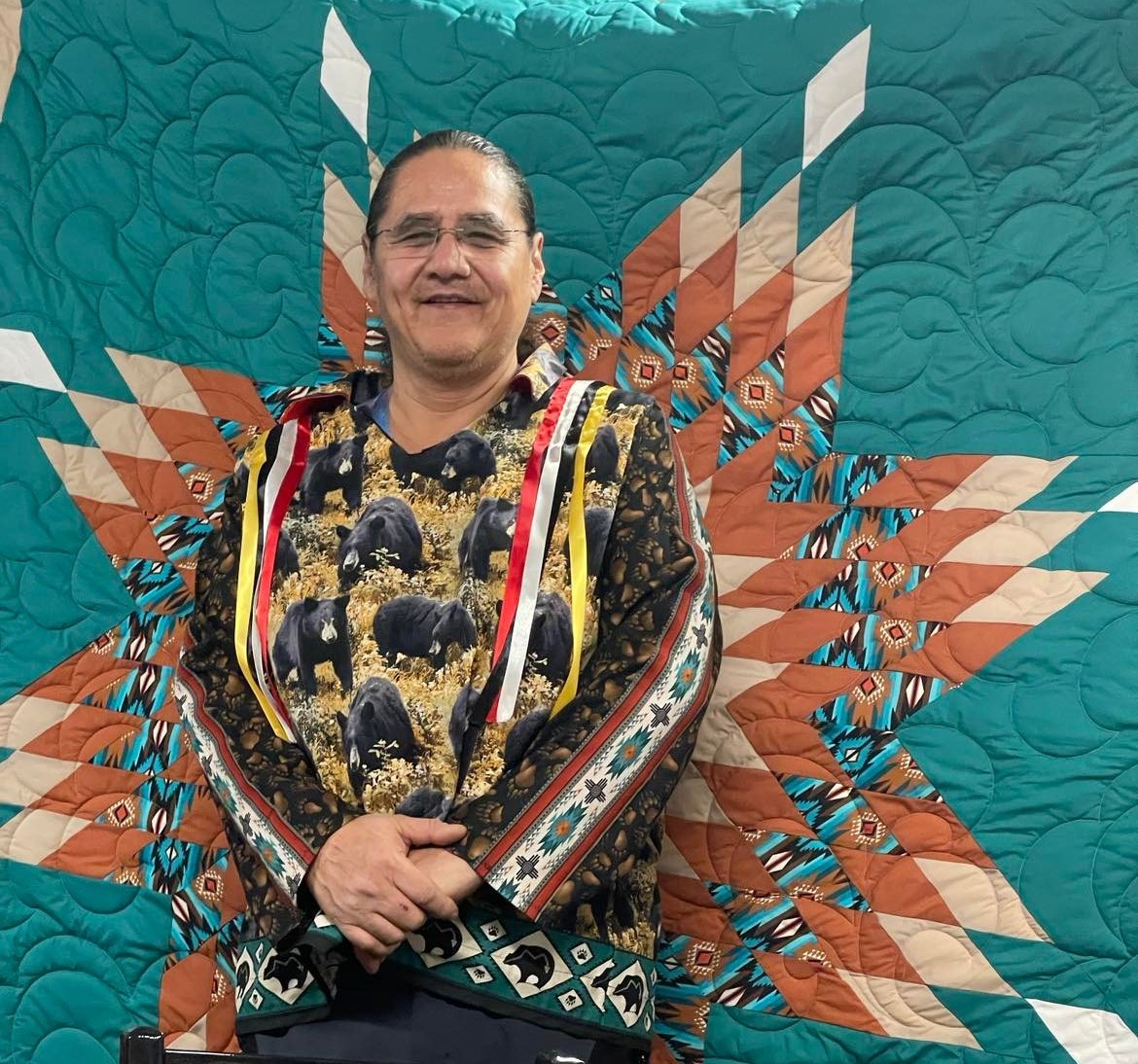
Alfred Pruden, API's dedicated land-based worker, carries these truths in the heart of his work.
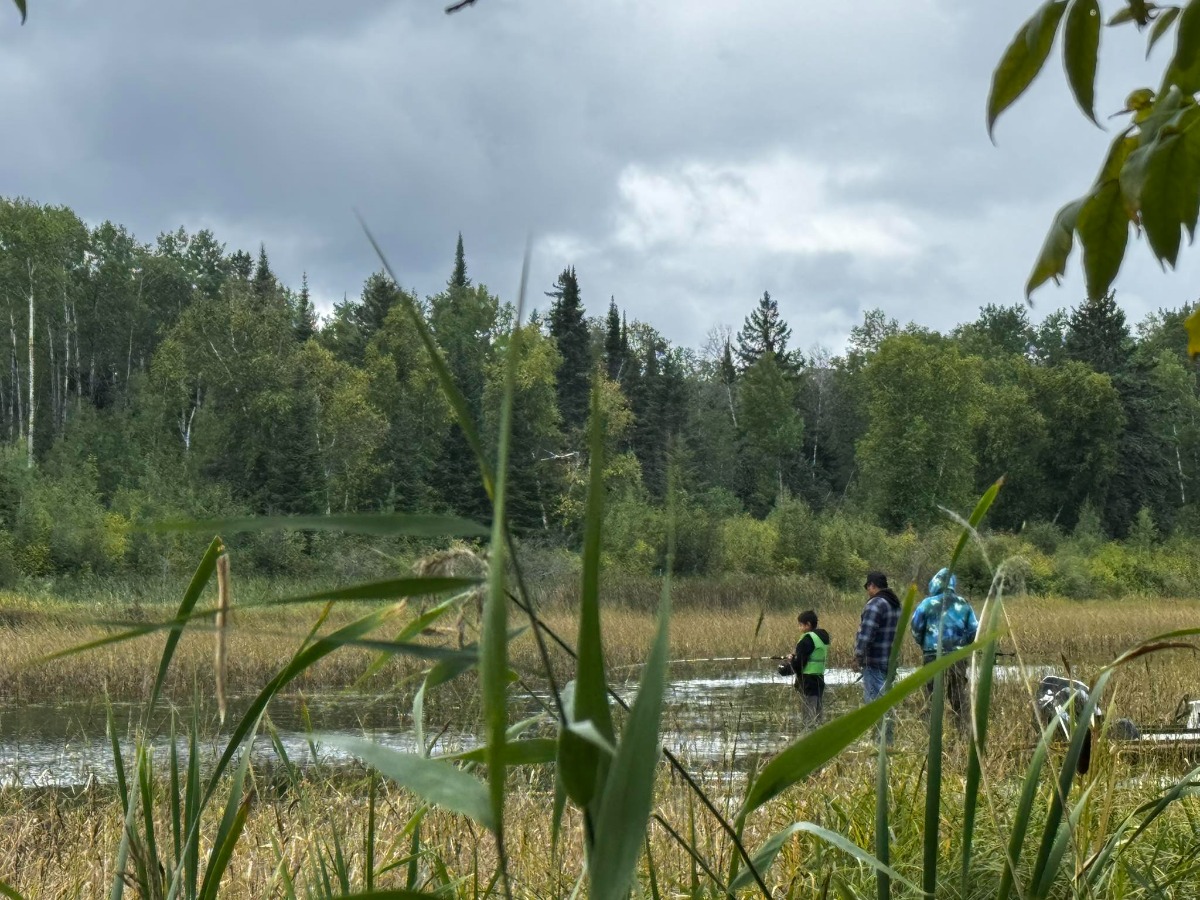
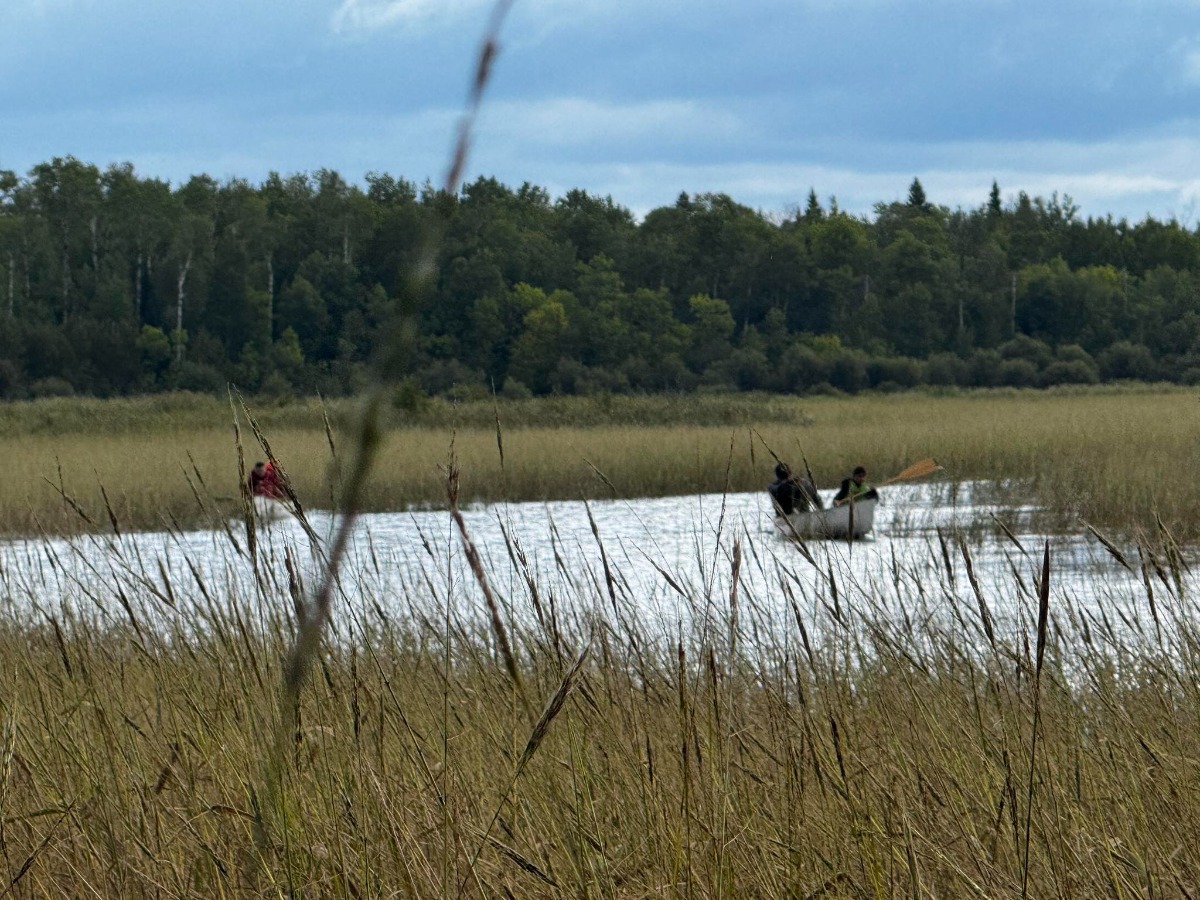
Based out of Lake St. Martin, Alfred guides participants through hands-on, culturally rooted activities such as wild rice picking, moose hunting, medicine picking and preparing traditional foods.
With a deep commitment to keeping Anishinaabe teachings alive, Alfred helps community members reclaim knowledge and walk in a good way.
I sat down with Alfred to learn more about his story, his role and the importance of connecting Anishinaabe to the land.
Can you share what inspired you to do land-based work with Anishinaabe Pimadiziwin Inc.?
The reason why I chose to work with the organization is to try and help make a difference for the people that have lost their Anishinaabe ways, and how to live off the land instead of depending on others such as the government.
Like for their physical health, when we begin to eat the proper foods and drink herbal medicines that is meant for our bodies- we begin to heal. We have many different medicines we can use for any kind of sickness. Even for our mental health. We know how to help ourselves through ceremonies and this is why it's important to me that I take clients to ceremonies in Lake Manitoba.
At one time in history, our people were the healthiest in the world until we were forcefully assimilated into western society's belief system. They deliberately made us forget our sacred ways, so we became dependent on the government.
Personally, I don't like depending on the government for anything, that's why I hunt, fish, trap and gather medicines. I even use a wood stove in my house.
What does a typical day look like in your role as a land-based worker, and what kinds of activities do you guide participants through?
I communicate with the other organizations to plan activities, like the school land-based worker, I assist him in going onto his trap line to clear fallen trees that were blown over by strong winds. As well as taking kids out into the forest, and showing them the trees and plants, like willows, and what they can be used for in a survival situation.
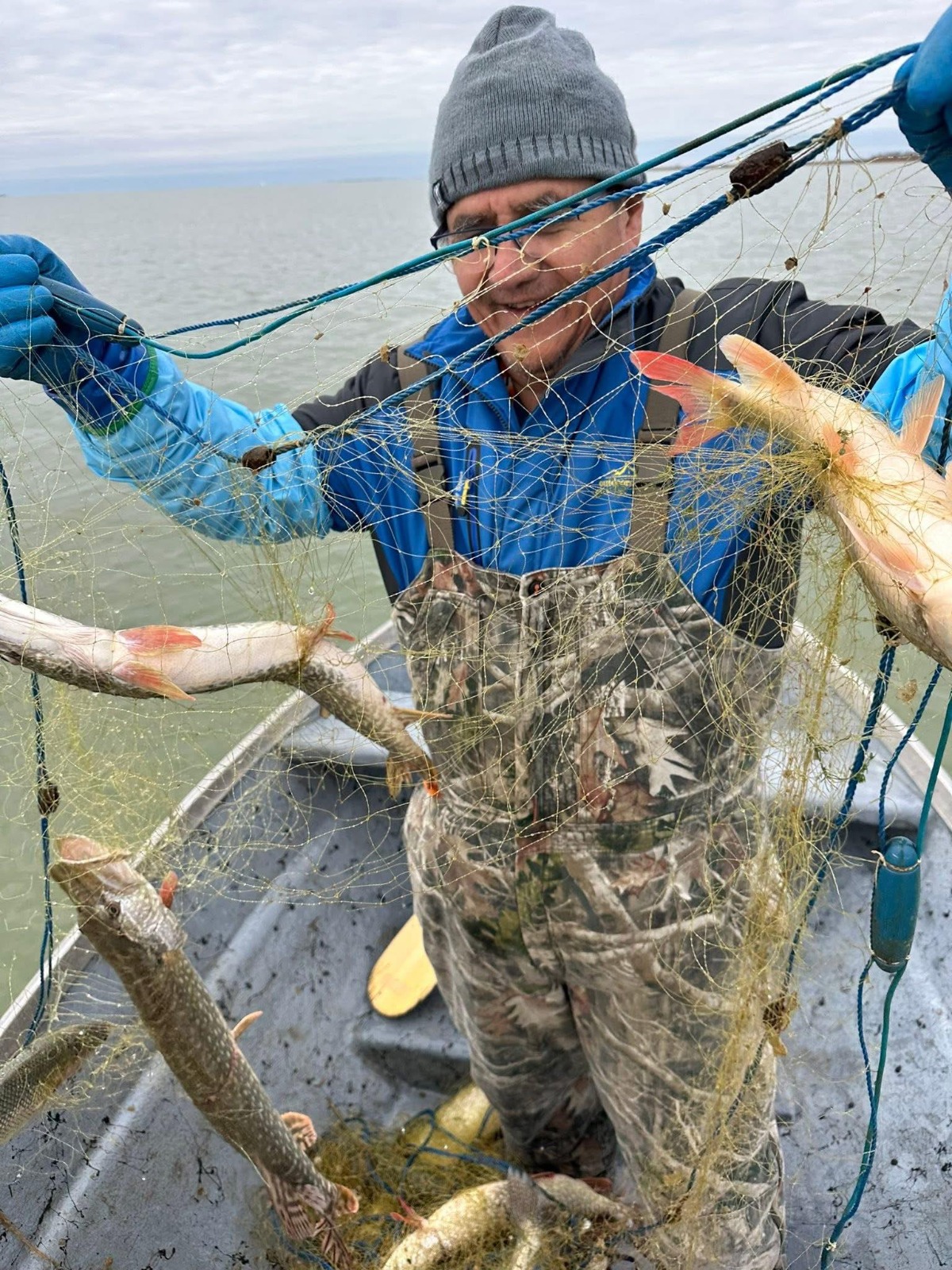
I also assist with the school's land-based program to go and set traps out in the forest or setting a fishing net in the lake to catch fish and to teach others how to clean and cut the fish. Later on we teach how to can the fish as well as smoking the fish.
Going into the classrooms and sharing Anishinaabe stories such as Nanabush story's, the origins of our people's migration into this territory.
Oral history is extremely important to know just like taking clients onto the land and teaching them about our traditional medicines, how when and where to pick.
Why do you believe it's important for Anishinaabe youth and community members to connect with the land?
It is very important for them to know their traditional hunting, fishing, trapping, ceremonial sights and gathering territories.
An example of knowing your land history and usage of your territory is when I managed to get big rock designated as a heritage site, recognized by the province of Manitoba. The crown lands specialist was invited to come and sit with us and we gave him a tour of our sacred site. He asked if he could send two archaeologists to come and survey the site.
The 2 surveyors recognized the site as a sacred site and identified 7 thunderbird nests, a medicine wheel and medaywin rock formations. This is what you can do when you know your territorial history through passed down oral knowledge, like mine was from my grandfather.
The site is now named Obuskoodayang Thunderbird Nesting Site.
What experience do you hope participants carry with them long after a program or outing is over?
The knowledge, understanding and experience of whatever they chose to keep is their own wisdom. It is very difficult to remember everything that we are being taught- that is why we must keep repeating the same activities over and over. By doing this our bodies and memories will begin to accept the activity.
Is there a moment that stands out to you, something meaningful or memorable, that shows the impact of land-based work?
The moose hunting trip was a very successful trip, we made many memories with each other about the trip stories and laughter and mishaps. We managed to harvest 4 moose. 3 of them came to Lake St. Martin and one to Lake Manitoba. We could have harvested 7 moose, but our hunters had mishaps. After we came back and settled down, the men teased each other about the mishaps that occurred on the trip.